
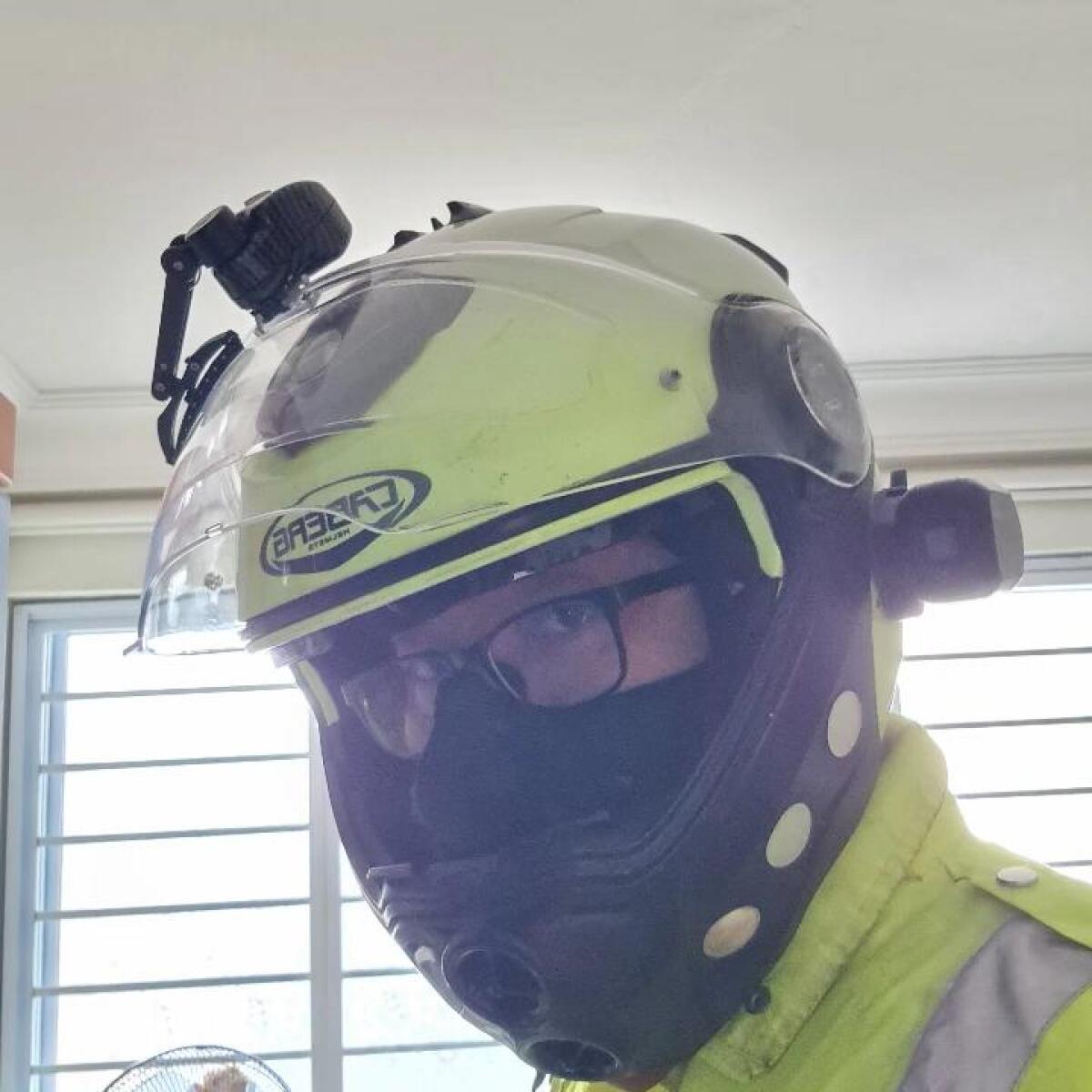
A rain-covered visor does not just make a ride uncomfortable. It turns brake lights into red blurs, hides potholes in reflections, and cuts the seconds you have to react. The best motorcycle helmet rain accessory is the one that clears your view without asking you to take a hand off the handlebar, tilt your head at the wrong moment, or stop on the shoulder.
For a rider who only gets caught in an occasional shower, a basic solution may be enough. For commuters, delivery riders, touring riders, and anyone riding through cold rain or road spray, visibility needs a more dependable answer. The right choice comes down to how often you ride in bad weather, how fast you ride, and whether the accessory keeps working when conditions get worse.
What Makes the Best Motorcycle Helmet Rain Accessory?
The real test is not whether an accessory works on a clean visor in a light drizzle. It is whether it gives you a usable view after a truck throws dirty spray across your shield at highway speed.
A good rain accessory should do three things: move water away quickly, avoid distracting you from riding, and work with a full-face helmet without compromising normal visor operation. It should also hold up against wind, vibration, cold, and repeated exposure to water.
That rules out many common workarounds as a primary solution. Wiping a visor with a glove can smear grime across your sightline. Finger-wiper attachments can help in a pinch, but they still require your hand to leave the grip. Repeatedly turning your head to use airflow may shed some droplets, but it changes your focus and does little against road film, fog, or heavy spray.
Clear vision is not a convenience feature. It is part of controlling the motorcycle.
The Main Options for Riding in Rain
Rain-repellent visor sprays
Hydrophobic sprays make water bead and slide off a visor. They are compact, inexpensive, and useful for riders who face occasional light rain. At speed, a fresh treatment can improve the way water moves across the shield.
The trade-off is consistency. Spray performance depends on correct preparation, a clean visor, rain intensity, speed, and product condition. It wears away, needs reapplication, and can struggle with oily road spray or slow urban traffic where there is not enough airflow to push droplets aside. Some treatments can also create haze or streaking if applied poorly.
Use a rain repellent as a supporting layer, not as your only plan for maintaining vision in hard weather.
Glove squeegees and finger wipers
Small rubber wipers attached to a glove finger are simple and cheap. They can remove a layer of water quickly when stopped or riding straight on an open road.
But the limitation is obvious when traffic gets tight: you need a hand to use one. Taking your hand from the control at the exact moment rain reduces traction and visibility is a poor trade. It also means the visor is only clear for the instant after you wipe it. Water, mist, and spray start building again immediately.
Pinlock inserts and anti-fog solutions
Fog is a different problem from rain, and a Pinlock insert or anti-fog treatment can be a smart addition inside a full-face visor. These solutions reduce condensation caused by the difference between warm breath and cold outside air.
They do not remove rain from the exterior of the shield. A rider can have a fog-free visor and still be nearly blind from droplets and dirty spray on the outside. In wet, cold conditions, you often need protection against both problems.
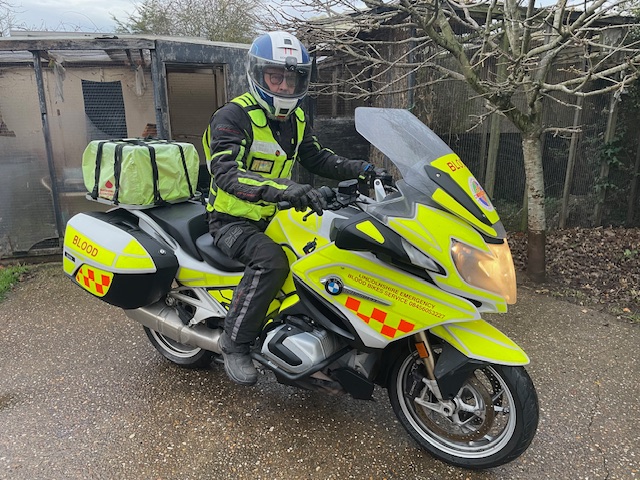
A powered helmet visor wiper
A powered visor wiper is built for the moment passive solutions stop being enough. Instead of waiting for wind to move water, applying another chemical coating, or wiping with a glove, the rider activates the wiper and clears the exterior viewing area directly.
This is the strongest option for frequent wet-weather riding because it provides repeatable clearing at low speed, high speed, and in stop-and-go traffic. The key benefit is control. One press clears the view while both hands stay where they belong - on the handlebar.
Why Powered Wiping Wins for Serious Wet-Weather Riders
A motorcycle windshield can shed rain with airflow. Your helmet visor cannot always do the same. In city traffic, during a slow turn, behind a bus, or in a downpour, droplets collect faster than the wind can move them. Road spray adds a film that water-repellent coatings may not handle cleanly.
A compact electric wiper attacks that problem mechanically. It does not depend on a fresh coating or a particular road speed. It can clear the visor when you need to identify a lane marking, see a turning vehicle, or read the surface ahead.
That matters especially for riders whose schedule does not stop for rain. Delivery riders cannot afford to lose time pulling over to clean a visor. Commuters need to arrive safely, not merely endure the route. Touring and adventure riders may be hours from shelter when weather shifts. Police, security, and emergency-service riders need clear sightlines because duty does not wait for dry pavement.
BIKERGUARD - a compact electric visor wiper is designed around that reality. Its rail-mounted system fits full-face helmets, uses a rechargeable battery and wireless remote, and offers manual or automatic wiping modes. It is designed to operate through rain, mist, fog, and vehicle spray, with performance tested at speeds up to 180 km/h.
The point is not to add another gadget to your helmet. The point is to remove a dangerous task from your hands.
Choose by Your Riding Conditions
If you ride a few miles on sunny weekends and only occasionally encounter a light shower, a quality visor cleaner, a compatible anti-fog insert, and a rain-repellent treatment may cover your needs. Keep expectations realistic: they improve conditions but cannot actively clear a wet visor.
If you commute year-round, ride after dark, make deliveries, travel long distances, or routinely ride in coastal fog and unpredictable storms, choose an active clearing system. The increased cost is justified by what it removes from the ride: repeated hand wipes, streaked vision, chemical reapplication, and split-second distractions.
For riders who often face cold rain, combine approaches. Use an anti-fog insert inside the visor to manage condensation and a powered wiper outside to remove rain and spray. One handles the moisture you create inside the helmet. The other handles the weather and traffic outside it.
What to Check Before You Buy
Not every helmet accessory belongs on every helmet. Confirm that your helmet is a full-face model with enough exterior visor area for the mounting system and that the device will not interfere with the visor’s opening range, vents, or helmet seal.
Look for a water-resistant design, stable mounting hardware, a battery that covers your normal riding day, and controls you can operate without looking down. Automatic intervals are valuable in steady rain because they reduce repeated button presses. Manual activation matters when a sudden blast of spray hits the visor.
Also consider maintenance. Wiper blades are wear items. Keep the visor clean, inspect the blade for grit, and replace it if it begins to streak. A damaged or dirty blade can turn a clear view into a smeared one, which defeats the purpose.
Rain Visibility Is a Riding Decision
Riders spend serious money on tires, brakes, lights, and protective gear because control matters when conditions change. A clear visor belongs in that same category. If rain regularly turns your shield into a distorted sheet of droplets, the best upgrade is not another trick that asks you to compensate. It is an accessory that restores your view on command, so you can keep your attention on the road ahead.